As long as humans have had the capacity for existential thinking, we have batted around the question of what happens to us when we die. And we’ve arrived at many different answers, all of which—outside of the observable physical phenomenon of biological decay—are ultimately unknowable.
Here’s simpler question to solve: What happens to our assets when we die?
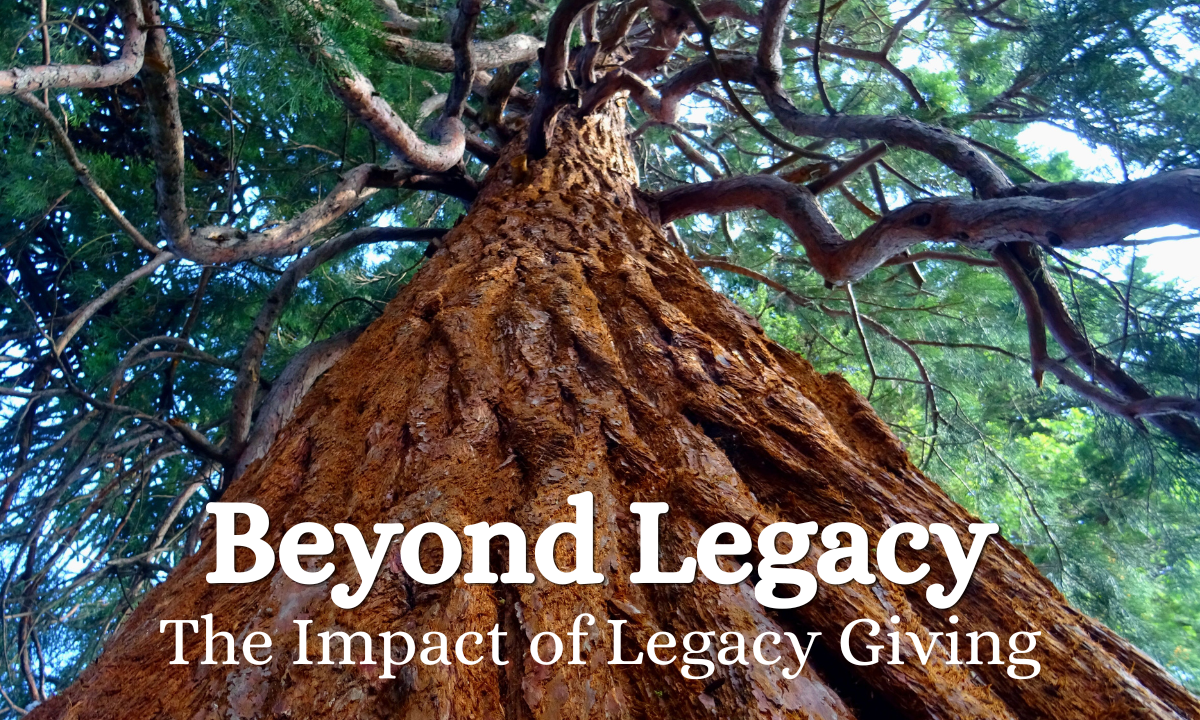
Turns out there are financial planners for that. Like Lisa Higginbotham, Regional Gift Planner for the ELCA Foundation, serving Region 2 synods, including Pacifica Synod. Her job? To help individuals within the ELCA find ways to make lasting impacts on their families, their communities, and the churches that have been so meaningful to them. It’s called “legacy giving.”
“I get to go to all these other states and meet these donors and talk to congregations who really want these resources to live out their legacy in the best way possible,” Higginbotham said. It’s a career she relishes.
“My job is to help congregations and help donors live out their best legacy plan. To be able to support this ministry that is changing lives,” she said. “How could I not wake up every day excited to do this?”
One such person is John Valenta, who recently retired from an accounting consulting firm and now is President of the Mission Endowment Fund for his home church, Lutheran Church of the Resurrection in Huntington Beach, California.
“As I got connected with Lisa Higginbotham and learned about the program the ELCA has, it seemed like a no-brainer about something we should pursue,” Valenta said. “There’s so much opportunity for churches to be able to receive gifts from our congregants, members, and other members of the community to help fulfill, further, and advance the church’s initiatives.”
One of the aspects of legacy giving that drew in Valenta is the malleability of the various options.
“There is a tremendous amount of flexibility in how you can leave a gift to the church. You can focus on designing your estate plan to leave resources for your children, family, and others and then decide what’s the appropriate amount to leave to your church, the synod, or the ELCA,” Valenta said. “It’s hard to come up with an excuse not to give.”
According to Higginbotham, legacy giving is one of the most transformational kinds of gifts while simultaneously being the least-discussed. Because not a lot of people like considering their own mortality in this way.
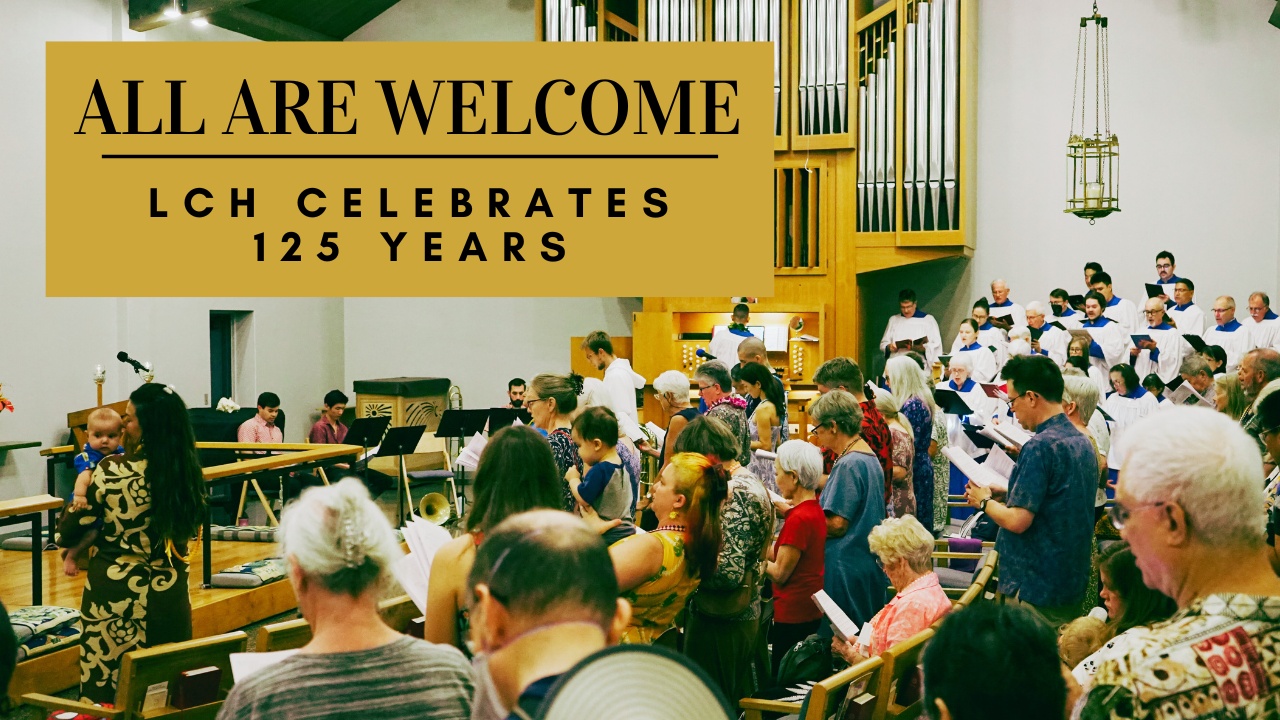
But some do. Like Phyllis Hörmann, a lifelong congregant of Lutheran Church of Honolulu in Honolulu, Hawai’i.
“I don’t mind talking about death!” Hörmann said. “It’s part of life, and then there’s the beyond.”
Perhaps Hörmann’s ease with the subject comes from her lineage: her grandfather Arthur was one of the first pastors at Lutheran Church of Honolulu and instilled in her not just a love of the gospel but also a long-term financial mindset.
“Our parents and grandparents all had trusts and seems that they were all thinking of the next generation and beyond,” Hörmann said. “So that’s part of it. And all us kids are grateful we got something, too. But that set the pattern for us in terms of legacy giving. It’s been a part of my family, it’s who we are. I’ve inherited a thoughtfulness of generosity.”
In addition to death, Hörmann is very frank when discussing her financial acumen.
“I’m not a great money person!” she said. “So I ask other people to help me with this stuff.”
For some, those "other people" are advisors like Higginbotham, who works directly for the ELCA Foundation and receives a pastor’s salary instead of commission.
“I was called to this work,” Higginbotham said. Indeed, she left a thriving financial practice to come work for the ELCA Foundation, but has never experienced an ounce of regret for the decision.
“I’ve had other opportunities since I’ve been in this role, but this is what I believe I’m called to do and I don’t want to do anything else,” Higginbotham said.
In her own way, Higginbotham is leaving a legacy by helping others leave theirs, following her call in the same way all Christians are called to do.
“I think of my grandparents’ care for people and that important legacy. And my parents’ too,” Hörmann said. “We’re very community-oriented and service-oriented. We need everyone’s different gifts as we live out our faith.”
Interested in learning more about legacy giving? Feel free to email Lisa Higginbotham.




.png)
.png)
.png)
.png)
.png)