.png)
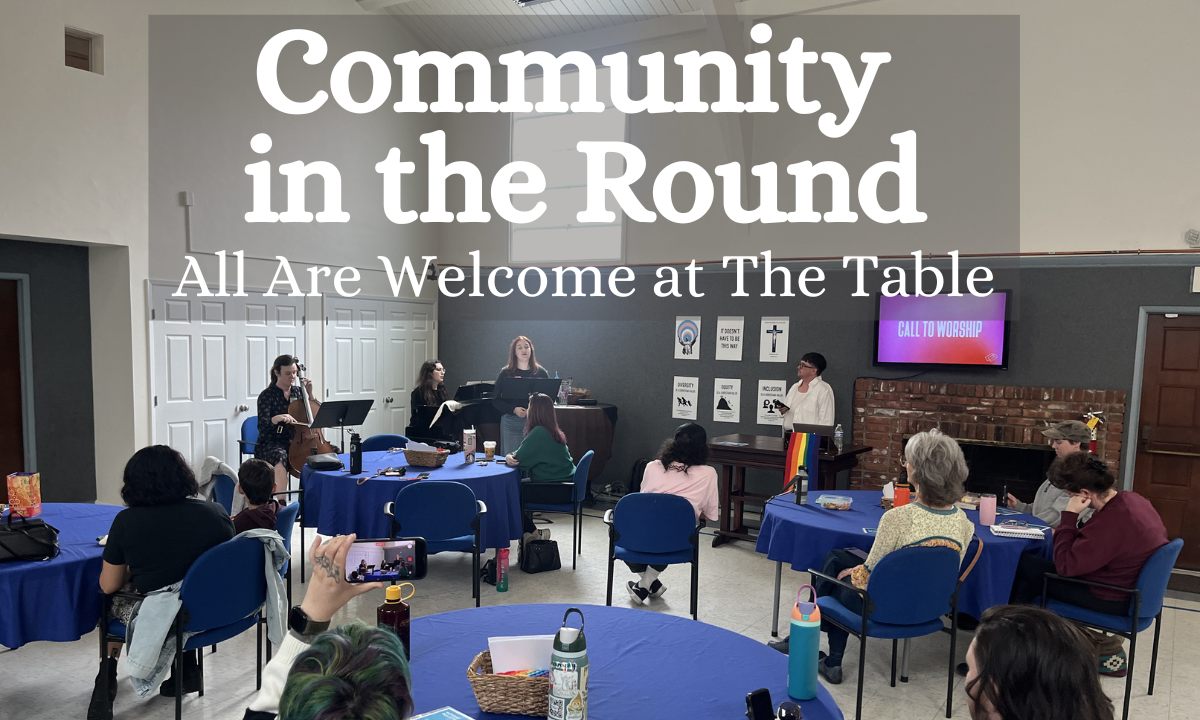
So you want your church to be more inclusive of the LGBTQIA+ community. Or maybe you’re a member of that community and you want to be part of something that builds your faith and establishes you in a wider context.
Either way, Tapestry is here for you.
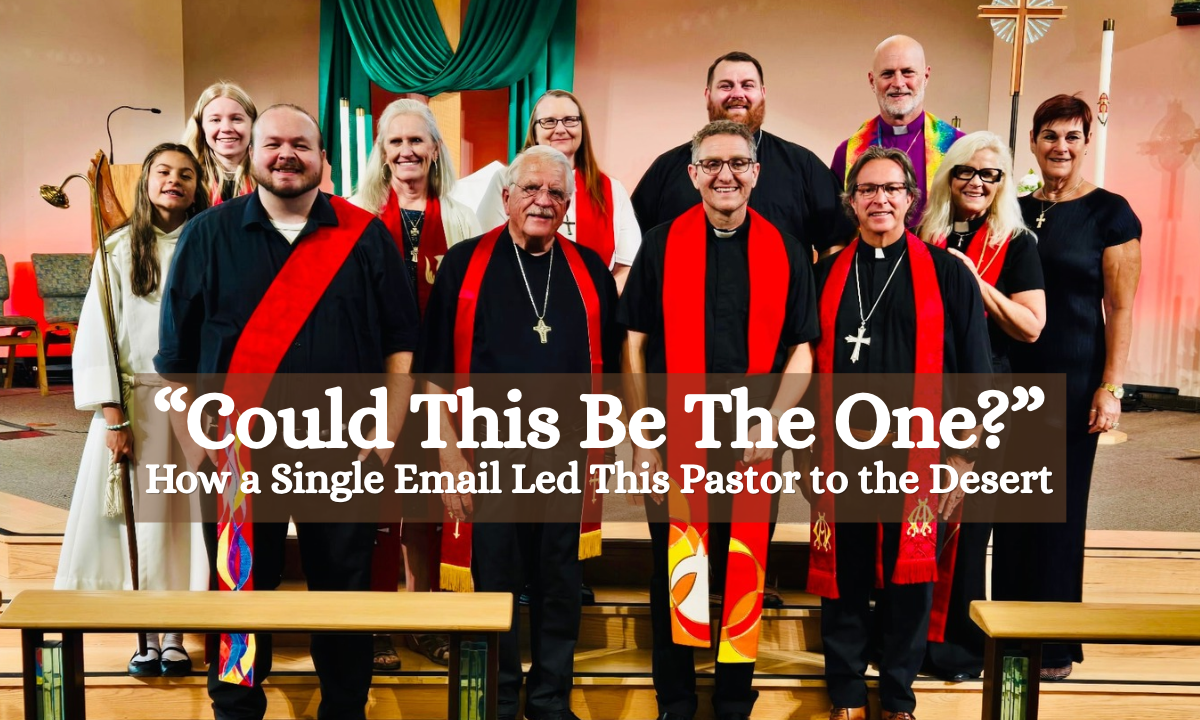
“There are a lot of churches that want to be more inclusive, but they need avenues and invitations,” said Darryl Kozak, who works for the Pacifica Synod as Regional Assistant to the Bishop for DEI Oversight. “Tapestry is a place you can reach out to and get the answers you need, or at least start conversations.”
This concept was echoed by Mackenzie Lussier, Tapestry’s Vice President.
“We want churches to have more voices to come to, instead of asking their local queer people to educate people,” Lussier said. “We have people who are equipped and who are actively volunteering for that.”
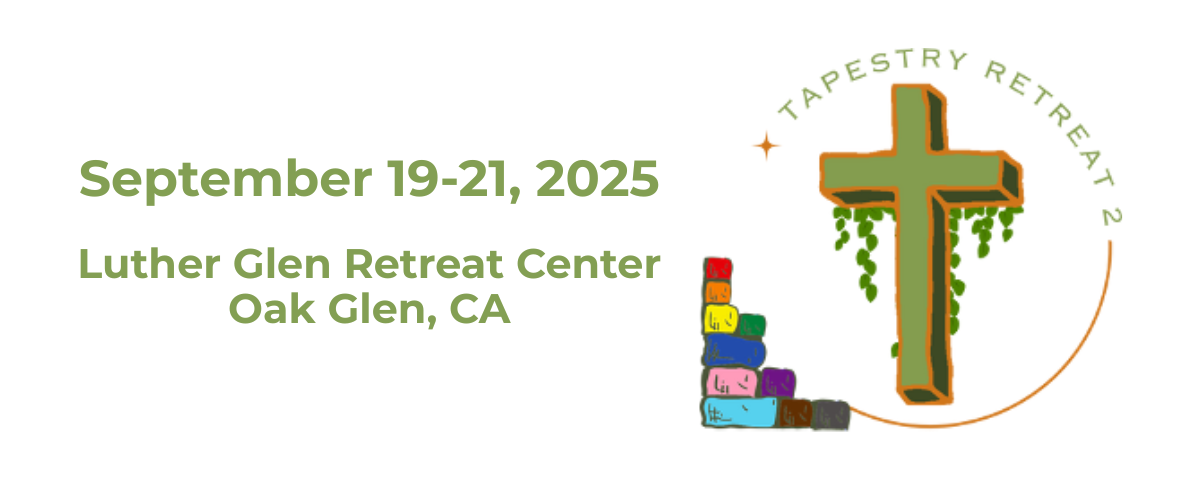
An official ministry of the Pacifica Synod, Tapestry’s first forays into this mission came through specialized retreats. In fact, the idea that became the larger tapestry of Tapestry first sprung into motion because of retreats, the first of which was attended by Sandy Rodriguez, now the Head of Tapestry’s Outreach Committee.
“Whenever I’d gone to churches previously before the church where I am now, I felt I had to hide and be very careful,” Rodriguez said. “But at the retreat as a camper, listening to everyone and making friends and being part of the community that was there, I felt like I could finally relax and be myself in a spiritual space.”
“We got together and wanted to do something like Cursillo retreats but more inclusive,” Lussier said. “But once we started building that out, we realized it needed to be much bigger. How do we heal trauma? How do we address some of the problematic Bible verses? What kind of support can we provide to congregations? How can we help spread the awareness of what queer identities are, what they’re going through, and why they belong in the pew next to you?”
“Tapestry is still in its infancy,” Kozak said, “but one of our hopes is to get more people in our churches into leadership. To get people lifted up who maybe haven’t had a voice in the past. We’re envisioning it more and more to be not just retreats, but that the retreats can develop leaders who can do some of these things within their congregations.”
This has certainly been the case for Rodriguez, who now occupies a leadership role within Tapestry, which blends well with their heart to help others just like them.
“I feel excited,” Rodriguez said. “Anything that builds community right now is a very important thing. It’s so important to know there are people you can count on and who have your back, that you can be around, and be yourself, and you don’t have to worry about whatever horrible thing happened on the news today.”
The goal is for Tapestry to flow in two directions simultaneously: both into the church and out to the larger community.
“We’re working on outreach so we can go out into communities and meet people who exist oustide church circles,” Lussier said. “We want to help people find ways into faith community that don’t necessarily involve the buildings they associate with their own religious trauma.”
But Lussier acknowledges that this a lofty goal that will require steady investment of time, resources, and presence.
“This is a program that really depends on our allies in our community, whether they’ve gone through the program or not, supporting us,” Lussier said. “We want to be present and visible at events [like Pride] and in these spaces. We’re associated with religion and religion is rightfully distrusted within the queer community, so we can’t expect that trust—we have to earn it.”
“I’ve been in many ELCA churches that aren’t exactly welcoming,” Kozak said, “but I’m hopeful that welcoming in LGBTQ folks can help churches feel more welcoming and can bring in new people. There’s still a lot more we can do, but my hope is that Tapestry can become that new face of welcome.”
“Speaking as someone who has always felt weird in religious spaces and who didn’t come from a religious background, I was wary at first,” Rodriguez said. “I’ve wanted to do something to build community with the LGBT folks in my home church, and with allies in general. There are a lot of things that are out of my control as far as how the world is going now, but I can help make things better in the spaces I’m in, and I want to support anything within that.”
If you’d like to begin a conversation with Tapestry, email Darryl Kozak at DarrylKozak@pacificasynod.org



.png)
.png)
.png)
.png)